
Granite ke mofuta oa lefika le se nang mosi le tjhekilweng ka lebaka la matla a lona a feteletseng, ho teteana, ho tšoarella le ho hanyetsa mafome. Empa granite e boetse e na le mekhoa e mengata haholo - ha se feela bakeng sa lisekoere le likhutlo li 'ne! Ha e le hantle, re sebetsa ka kholiseho le likarolo tsa granite tse entsoeng ka libopeho, likhutlo le likhutlo tse fapaneng tsa mefuta eohle khafetsa - ka liphetho tse ntle haholo.
Through our state of the art processing, cut surfaces can be exceptionally flat. These qualities make granite the ideal material to create custom-size and custom-design machine bases and metrology components. Granite is:
■ e ka sebelisoang ka mochini
■ bataletse hantle ha e sehiloe ebile e felile
■ ho hanela mafome
■ e tšoarellang
■ e nkang nako e telele
Likarolo tsa granite le tsona li bonolo ho li hloekisa. Ha u etsa meralo e ikhethileng, etsa bonnete ba hore u khetha granite ka lebaka la melemo ea eona e phahameng.
LITŠEBELETSO TSA MAEMO / TSA HO KHAHLA HO FETILENG
Granite e sebelisoang ke ZHHIMG bakeng sa lihlahisoa tsa rona tse tloaelehileng tsa poleiti ea holim'a metsi e na le quartz e ngata, e fanang ka khanyetso e kholo khahlanong le ho tsofala le tšenyo. Mebala ea rona e Metšo e Phahameng e na le sekhahla se tlase sa ho monya metsi, e fokotsang monyetla oa hore litekanyo tsa hau tsa ho nepahala li ruse ha li ntse li beoa holim'a lipoleiti. Mebala ea granite e fanoang ke ZHHIMG e fella ka khanya e fokolang, e leng se bolelang khatello e fokolang ea mahlo bakeng sa batho ba sebelisang lipoleiti. Re khethile mefuta ea rona ea granite ha re ntse re nahana ka katoloso ea mocheso ka boiteko ba ho boloka karolo ena e le nyane.
CUSTOM APPLICATIONS
Ha sesebelisoa sa hau se hloka poleiti e nang le dibopeho tse ikgethileng, di-insert tse nang le di-thread, di-slots kapa machining a mang, o tla batla ho kgetha thepa e kang Black Jinan Black. Thepa ena ya tlhaho e fana ka ho tiea ho hoholo, ho fokotsa ho thothomela ho babatsehang, le bokgoni bo ntlafetseng ba machining.
Ho bohlokoa ho hlokomela hore 'mala feela ha se pontšo ea litšobotsi tsa 'mele tsa lejoe. Ka kakaretso, 'mala oa granite o amana ka ho toba le boteng kapa ho se be teng ha liminerale, tse ka 'nang tsa se be le tšusumetso ho litšobotsi tse etsang thepa e ntle ea poleiti ea bokaholimo. Ho na le granite e pinki, e putsoa le e ntšo e ntle haholo bakeng sa lipoleiti tsa bokaholimo, hammoho le granite e ntšo, e putsoa le e pinki e sa lokelang ho sebelisoa ka nepo. Litšobotsi tsa bohlokoa tsa granite, joalo ka ha li amana le tšebeliso ea eona e le thepa ea poleiti ea bokaholimo, ha li amane le 'mala, 'me ke tse latelang:
■ Ho satalla (ho fapoha tlas'a mojaro - ho bontšitsoe ke Modulus of Elasticity)
■ Bothata
■ Botenya
■ Ho hanyetsa ho roala
■ Ho tsitsa
■ Ho ba le masoba a manyane
Re lekile thepa e mengata ea granite 'me ra bapisa thepa ena. Qetellong re fumana sephetho, granite e ntšo ea Jinan ke thepa e ntle ka ho fetisisa eo re kileng ra e tseba. Granite e Ntšo ea India le granite ea Afrika Boroa li tšoana le Granite e Ntšo ea Jinan, empa thepa ea tsona ea 'mele e nyane ho feta ea Granite e Ntšo ea Jinan. ZHHIMG e tla tsoela pele ho batla thepa e ngata ea granite lefatšeng 'me e bapise thepa ea tsona ea 'mele.
Ho bua haholoanyane ka granite e loketseng projeke ea hau, ka kopo ikopanye le ronainfo@zhhimg.com.
Bahlahisi ba fapaneng ba sebelisa maemo a fapaneng. Ho na le maemo a mangata lefatšeng.
DIN Standard, ASME B89.3.7-2013 kapa Tlhaloso ea Federale GGG-P-463c (Lipoleiti tsa Granite Surface) le tse ling joalo ka motheo oa litlhaloso tsa tsona.
'Me re ka etsa poleiti ea tlhahlobo ea granite e nepahetseng ho latela litlhoko tsa hau. Rea u amohela ho ikopanya le rona haeba u batla ho tseba haholoanyane ka litekanyetso tse ling.
Ho batalatsa ho ka nkoa e le lintlha tsohle tse holim'a bokaholimo tse ka har'a lifofane tse peli tse bapileng, sefofane sa motheo le sefofane sa marulelo. Tekanyo ea sebaka se pakeng tsa lifofane ke ho batalatsa ka kakaretso ha bokaholimo. Tekanyo ena ea ho batalatsa hangata e na le mamello 'me e ka kenyelletsa letšoao la sehlopha.
Mohlala, mamello ea ho batalatsa bakeng sa limaraka tse tharo tse tloaelehileng e hlalosoa tlhalosong ea 'muso oa federal joalo ka ha e khethiloe ke foromo e latelang:
■ Sehlopha sa laboratori AA = (40 + sekwere se otlolohileng/25) x .000001" (sekhutlo se le seng)
■ Kereiti ea Tlhahlobo A = Kereiti ea Laboratori AA x 2
■ Kamore ea Lisebelisoa Kereiti ea B = Kereiti ea Laboratori AA x 4.
Bakeng sa lipoleiti tsa bokaholimo tse boholo bo tloaelehileng, re netefatsa mamello ea ho ba bataletseng e fetang litlhoko tsa tlhaloso ena. Ntle le ho ba bataletseng, ASME B89.3.7-2013 le Federal Specification GGG-P-463c li sebetsana le lihlooho tse kenyeletsang: ho nepahala ha tekanyo e pheta-phetoang, thepa ea granite ea poleiti ea bokaholimo, qetello ea bokaholimo, sebaka sa ntlha ea tšehetso, ho tiea, mekhoa e amohelehang ea tlhahlobo, ho kenya li-insert tse nang le khoele, jj.
Lipoleiti tsa bokaholimo ba granite tsa ZHHIMG le lipoleiti tsa tlhahlobo ea granite li fihlela kapa li feta litlhoko tsohle tse boletsoeng tlhalosong ena. Hona joale, ha ho na tlhaloso e hlalosang lipoleiti tsa angle ea granite, parallels, kapa master squares.
'Me u ka fumana mekhoa ea litekanyetso tse ling hoJarolla.
Sa pele, ho bohlokoa ho boloka poleiti e hloekile. Lerōle le harolang le tsamaisoang ke moea hangata ke mohloli o moholo oa ho senyeha le ho taboha poleiting, kaha le atisa ho kenella likarolong tsa mosebetsi le libakeng tse hokahaneng tsa li-gage. Sa bobeli, koahela poleiti ea hau ho e sireletsa lerōleng le tšenyong. Bophelo ba ho roala bo ka atolosoa ka ho koahela poleiti ha e sa sebelisoe, ka ho potoloha poleiti nako le nako e le hore sebaka se le seng se se ke sa sebelisoa haholo, le ka ho nkela li-contact pad tsa tšepe sebaka sa ho lekanya ka li-carbide pad. Hape, qoba ho beha lijo kapa lino tse bonolo poleiting. Hlokomela hore lino tse ngata tse bonolo li na le carbonic kapa phosphoric acid, e ka qhibilihisang liminerale tse bonolo 'me ea siea masoba a manyenyane holim'a metsi.
Sena se itshetlehile ka hore na poleiti e sebediswa jwang. Haeba ho kgoneha, re kgothaletsa ho hlwekisa poleiti qalong ya letsatsi (kapa mosebetsing) le hape qetellong. Haeba poleiti e silafala, haholo-holo ka maro a mafura kapa a khomarelang, mohlomong e lokela ho hlwekiswa hang-hang.
Hloekisa poleiti khafetsa ka mokelikeli kapa sehlatsoi sa poleiti sa metsi sa ZHHIMG. Khetho ea litharollo tsa ho hloekisa e bohlokoa. Haeba ho sebelisoa solvent e feto-fetohang (acetone, lacquer thinner, alcohol, jj.) mouoane o tla bata bokaholimo, 'me o bo sothe. Tabeng ena, hoa hlokahala ho lumella poleiti hore e tloaelehe pele e sebelisoa kapa liphoso tsa tekanyo li tla etsahala.
Nako e hlokahalang hore poleiti e be boemong bo tloaelehileng e tla fapana ho latela boholo ba poleiti, le tekanyo ea ho pholisa. Hora e le 'ngoe e lokela ho lekana bakeng sa lipoleiti tse nyane. Ho ka hlokahala lihora tse peli bakeng sa lipoleiti tse kholo. Haeba ho sebelisoa sesepa se thehiloeng metsing, ho tla boela ho be le ho pholisa ho itseng ho bakang mouoane.
Poleiti e tla boela e boloke metsi, 'me sena se ka baka mafome likarolong tsa tšepe ha li kopana le bokaholimo. Lihloekisi tse ling li tla boela li siee masala a khomarelang ka mor'a hore a ome, e leng se tla hohela lerōle le moeeng, 'me ha e le hantle se eketse ho tsofala, ho e-na le ho le fokotsa.
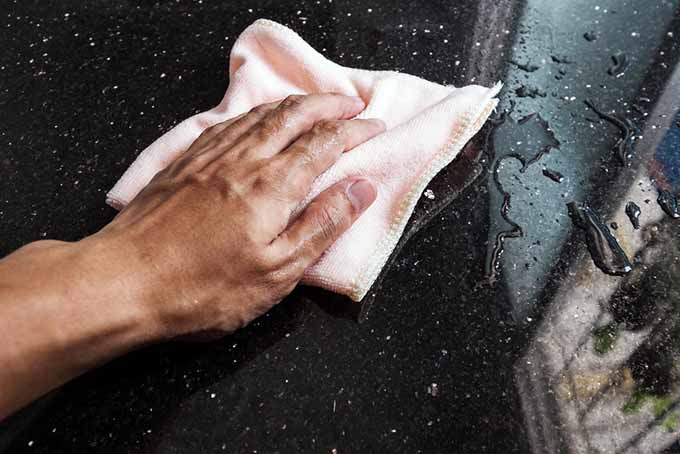
Sena se itshetlehile ka tshebediso ya poleiti le tikoloho. Re kgothaletsa hore poleiti e ntjha kapa sesebediswa sa granite se nepahetseng se fumane tlhahlobo e feletseng nakong ya selemo se le seng sa ho rekwa. Haeba poleiti ya bokahodimo ba granite e tla bona tshebediso e kgolo, ho ka ba bohlale ho kgutsufatsa nako ena ho ya dikgweding tse tsheletseng. Tlhahlobo ya kgwedi le kgwedi bakeng sa diphoso tsa tekanyo tse phetaphetoang ho sebediswa boemo ba Elektroniki, kapa sesebediswa se tshwanang e tla bontsha matheba afe kapa afe a ntseng a hola mme e nka metsotso e mmalwa feela ho sebetsa. Kamora hore diphetho tsa tlhahlobo ya pele di fumanwe, nako ya tlhahlobo e ka atoloswa kapa ya kgutsufatswa jwalo ka ha ho dumellwa kapa ho hlokeha ke sistimi ya hao ya boleng ba kahare.
Re ka fana ka tšebeletso ho u thusa ho hlahloba le ho lekanya poleiti ea hau ea bokaholimo ba granite.

Ho na le mabaka a 'maloa a ka bang teng a phapang lipakeng tsa ho lekanya:
- Bokaholimo bo ile ba hlatsuoa ka tharollo e chesang kapa e batang pele ho lekanngoa, 'me ha boa ka ba fuoa nako e lekaneng ea ho etsa hore bo be boemong bo tloaelehileng.
- Poleiti ha e tšehetsoe hantle
- Phetoho ea mocheso
- Meqolo e qapiloeng
- Khanya ea letsatsi e tobileng kapa mocheso o mong o khanyang holim'a poleiti. Etsa bonnete ba hore mabone a holimo ha a futhumatse bokaholimo.
- Diphetoho tsa gradient ya mocheso o otlolohileng pakeng tsa mariha le lehlabula (Haeba ho kgoneha, tseba mocheso o otlolohileng wa gradient nakong eo ho lekanngwa ho etswang.)
- Poleiti ha ea fuoa nako e lekaneng ea ho ikamahanya le maemo ka mor'a ho romelloa
- Tšebeliso e fosahetseng ea lisebelisoa tsa tlhahlobo kapa tšebeliso ea lisebelisoa tse sa lekanngoang
- Phetoho ea bokaholimo e bakoang ke ho tsofala
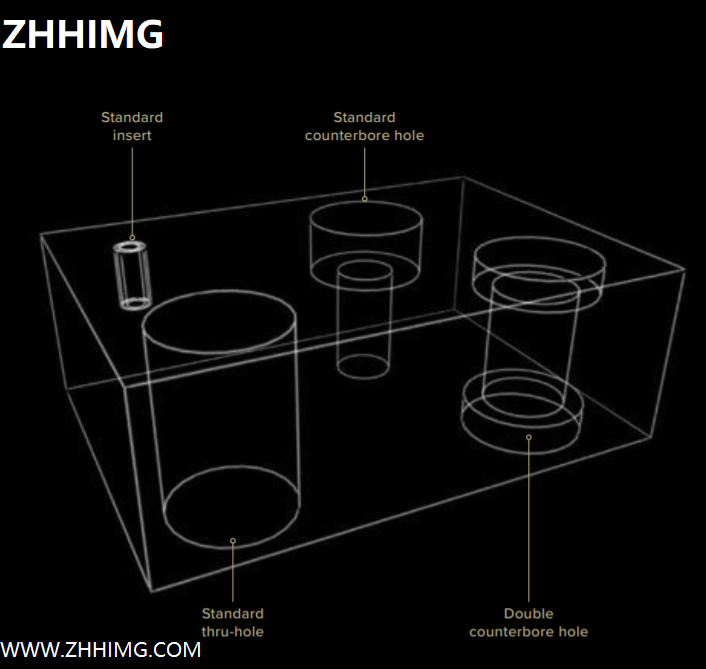
Ke mefuta e mekae ea masoba holim'a granite e nepahetseng?
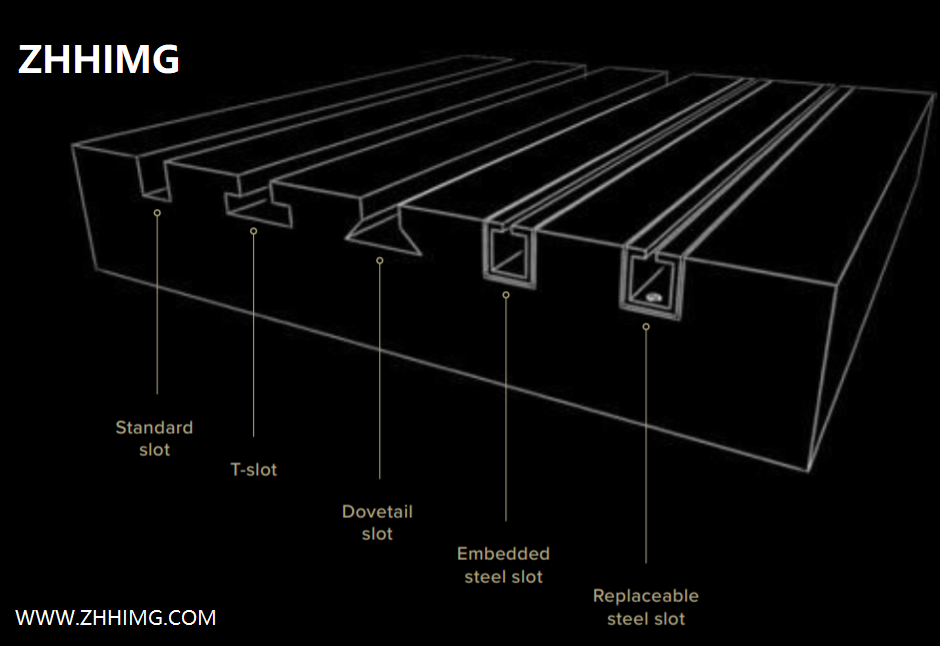
Li-Slots ho Likarolo tsa Granite e Hloahloa
Bakeng sa lifeme tse ngata, likamore tsa tlhahlobo le lilaboratori, lipoleiti tsa bokaholimo ba granite tse nepahetseng li itšetlehiloe ka tsona e le motheo oa tekanyo e nepahetseng. Hobane tekanyo e 'ngoe le e 'ngoe e otlolohileng e itšetlehile ka bokaholimo bo nepahetseng ba litšupiso boo litekanyo tsa ho qetela li nkiloeng ho bona, lipoleiti tsa bokaholimo li fana ka sebaka se setle ka ho fetisisa sa litšupiso bakeng sa tlhahlobo ea mosebetsi le moralo pele ho etsoa machining. Hape ke metheo e loketseng bakeng sa ho etsa litekanyo tsa bophahamo le libaka tsa ho lekanya. Ho feta moo, boemo bo phahameng ba ho ba bataletse, botsitso, boleng ka kakaretso le mosebetsi li etsa hore e be khetho e ntle bakeng sa ho kenya litsamaiso tse rarahaneng tsa ho lekanya tsa mechine, tsa elektroniki le tsa mahlo. Bakeng sa ts'ebetso efe kapa efe ea litekanyo tsena, ho bohlokoa ho boloka lipoleiti tsa bokaholimo li lekantsoe.
Repeat Measurements and Flatness
Litekanyo tsa ho ba bataletse le tse pheta-phetoang ka bobeli li bohlokoa ho netefatsa bokaholimo bo nepahetseng. Ho ba bataletse ho ka nkoa e le lintlha tsohle tse holim'a bokaholimo tse ka har'a lifofane tse peli tse bapileng, sefofane sa motheo le sefofane sa marulelo. Tekanyo ea sebaka se pakeng tsa lifofane ke ho ba bataletse ka kakaretso ha bokaholimo. Tekanyo ena ea ho ba bataletse hangata e na le mamello 'me e ka kenyelletsa lebitso la sehlopha.
The flatness tolerances for three standard grades are defined in the federal specification as determined by the following formula:
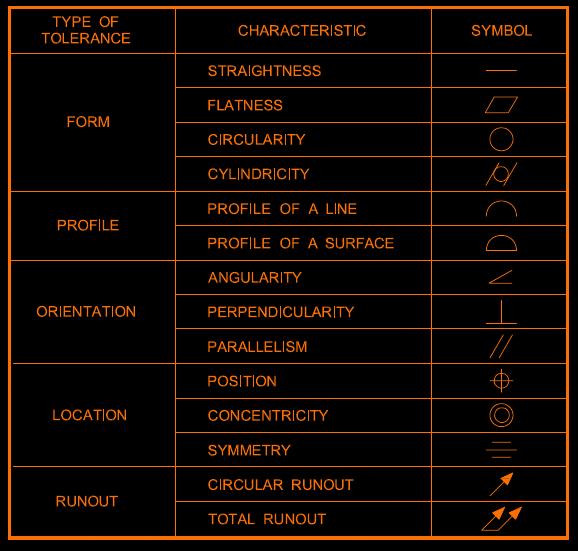
Tekanyetso ea DIN, Tekanyetso ea GB, Tekanyetso ea ASME, Tekanyetso ea JJS... naha e fapaneng e nang le boemo bo fapaneng...
Lintlha tse ling mabapi le maemo a tloaelehileng.
In addition to flatness, repeatability must be ensured. A repeat measurement is a measurement of local flatness areas. It is a measurement taken anywhere on the surface of a plate that will repeat within the stated tolerance. Controlling local area flatness to a tighter tolerance than overall flatness guarantees a gradual change in surface flatness profile, thereby minimizing local errors.
Ho netefatsa hore poleiti ea bokaholimo e fihlela litlhaloso tsa ho ba bataletse le tsa tekanyo e pheta-phetoang, baetsi ba lipoleiti tsa bokaholimo ba granite ba lokela ho sebelisa Tlhaloso ea Federal GGG-P-463c e le motheo oa litlhaloso tsa bona. Tekanyetso ena e sebetsana le ho nepahala ha tekanyo e pheta-phetoang, litšobotsi tsa thepa ea granite ea poleiti ea bokaholimo, qetello ea bokaholimo, sebaka sa ntlha ea tšehetso, ho tiea, mekhoa e amohelehang ea tlhahlobo le ho kenya li-insert tse nang le khoele.
Checking Plate Accuracy
Ka ho latela litataiso tse 'maloa tse bonolo, letsete poleiting ea granite e lokela ho nka lilemo tse ngata. Ho latela tšebeliso ea poleiti, tikoloho ea lebenkele le ho nepahala ho hlokahalang, makhetlo a ho hlahloba ho nepahala ha poleiti ea bokaholimo aa fapana. Molao o akaretsang ke hore poleiti e ncha e fumane tlhahlobo e felletseng nakong ea selemo se le seng sa theko. Haeba poleiti e sebelisoa khafetsa, ho eletsoa ho khutsufatsa nako ena ho ea likhoeling tse tšeletseng.
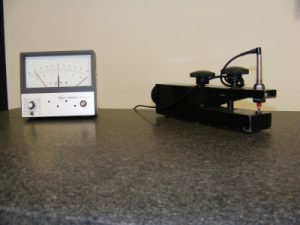
Before a surface plate has worn beyond specification for overall flatness, it will show worn or wavy posts. Monthly inspection for repeat measurement errors using a repeat reading gage will identify wear spots. A repeat reading gage is a high-precision instrument that detects local error and can be displayed on a high magnification electronic amplifier.
An effective inspection program should include regular checks with an autocollimator, providing actual calibration of overall flatness traceable to National Institute of Standards and Technology (NIST). Comprehensive calibration by the manufacturer or an independent company is necessary from time to time.
Variations Between Calibrations
Maemong a mang, ho na le dipharologanyo pakeng tsa ho lekanya poleiti ya bokaholimo. Ka dinako tse ding mabaka a kang phetoho ya bokaholimo e bakwang ke ho tsofala, tshebediso e fosahetseng ya disebediswa tsa tlhahlobo kapa tshebediso ya disebediswa tse sa lekanngwang di ka ikarabella bakeng sa dipharologanyo tsena. Leha ho le jwalo, mabaka a mabedi a tlwaelehileng haholo ke mocheso le tshehetso.
One of the most important variables is temperature. For instance, the surface might have been washed with a hot or cold solution prior to calibration and not allowed sufficient time to normalize. Other causes of temperature change include drafts of cold or hot air, direct sunlight, overhead lighting or other sources of radiant heat on the surface of the plate.
There also can be variations in the vertical temperature gradient between winter and summer. In some cases, the plate is not allowed sufficient time to normalize after shipment. It is a good idea to record the vertical gradient temperature at the time the calibration is performed.
Another common cause for calibration variation is a plate that is improperly supported. A surface plate should be supported at three points, ideally located 20% of the length in from the ends of the plate. Two supports should be located 20% of the width in from the long sides, and the remaining support should be centered.
Only three points can rest solidly on anything but a precision surface. Attempting to support the plate at more than three points will cause the plate to receive its support from various combinations of three points, which will not be the same three points on which it was supported during production. This will introduce errors as the plate deflects to conform to the new support arrangement. Consider using steel stands with support beams designed to line up with the proper support points. Stands for this purpose are generally available from the surface plate manufacturer.
If the plate is properly supported, precise leveling is only necessary if an application specifies it. Leveling is not necessary to maintain the accuracy of a properly supported plate.
Extend Plate Life
Ho latela litataiso tse 'maloa ho tla fokotsa ho tsofala ha poleiti ea granite holim'a metsi 'me qetellong, ho lelefatse bophelo ba eona.
Taba ea pele, ho bohlokoa ho boloka poleiti e hloekile. Lerōle le khorofo le tsamaisoang ke moea hangata ke mohloli o moholo oa ho senyeha le ho taboha poleiting, kaha le atisa ho kenella linthong tsa mosebetsi le libakeng tse hokahaneng tsa li-gauge.
It also is important to cover plates to protect it from dust and damage. Wear life can be extended by covering the plate when not in use.
Potoloha poleiti nako le nako e le hore sebaka se le seng se se ke sa sebelisoa haholo. Hape, ho kgothaletswa ho nkela di-contact pad tsa tshepe sebaka ka di-carbide pad sebaka ha ho lekanngwa.
Avoid setting food or soft drinks on the plate. Many soft drinks contain either carbonic or phosphoric acid, which can dissolve the softer minerals and leave small pits in the surface.
Where to Relap
Ha poleiti ea bokaholimo ba granite e hloka ho hlophisoa bocha, nahana hore na tšebeletso ena e etsoa sebakeng seo kapa setsing sa ho lekanya. Kamehla ho molemo hore poleiti e hlophisoe hape fekthering kapa setsing se inehetseng. Leha ho le joalo, haeba poleiti e sa tsofala haholo, hangata e le ka har'a 0.001 inch ea mamello e hlokahalang, e ka hlophisoa bocha sebakeng seo. Haeba poleiti e tsositsoe ho fihlela moo e fetang 0.001 inch ho feta mamello, kapa haeba e senyehile hampe kapa e senyehile, joale e lokela ho romeloa fekthering bakeng sa ho sila pele e hlophisoa hape.
A calibration facility has the equipment and factory setting providing the optimum conditions for proper plate calibration and rework if necessary.
Ho lokela ho etswa hloko haholo ha ho kgethwa setsebi sa ho lekanya le ho lokisa bokaholimo sebakeng seo. Kopa tumello mme o netefatse hore disebediswa tseo setsebi se tla di sebedisa di na le tekanyo e ka latelwang. Phihlelo le yona ke ntlha ya bohlokwa, kaha ho nka dilemo tse ngata ho ithuta ho phutha granite ka nepo.
Critical measurements start with a precision granite surface plate as a baseline. By ensuring a reliable reference by using a properly calibrated surface plate, manufacturers have one of the essential tools for reliable measurements and better quality parts.Q
Checklist for Calibration Variations
1. Bokaholimo bo ile ba hlatsuoa ka tharollo e chesang kapa e batang pele ho lekanngoa 'me ha boa ka ba fuoa nako e lekaneng ea ho etsa hore bo be boemong bo tloaelehileng.
2. Poleiti ha e tshehetswe hantle.
3. Phetoho ea mocheso.
4. Meqolo e qapiloeng.
5. Letsatsi le tobileng kapa mocheso o mong o phatsimang holim'a poleiti. Etsa bonnete ba hore mabone a ka holimo ha a futhumatse bokaholimo.
6. Diphetoho tsa gradient ya mocheso o otlolohileng pakeng tsa mariha le lehlabula. Haeba ho kgoneha, tseba mocheso o otlolohileng wa gradient nakong eo ho lekanngwa ho etswang.
7. Poleiti ha ea lumelloa nako e lekaneng ea ho etsa hore e be boemong bo tloaelehileng kamora ho romelloa.
8. Tšebeliso e fosahetseng ea lisebelisoa tsa tlhahlobo kapa tšebeliso ea lisebelisoa tse sa lekanngoang.
9. Phetoho ea bokaholimo e bakoang ke ho tsofala.
Tech Tips
- Hobane tekanyo e 'ngoe le e 'ngoe e otlolohileng e itšetlehile ka bokaholimo bo nepahetseng ba litšupiso boo litekanyo tsa ho qetela li nkiloeng ho bona, lipoleiti tsa bokaholimo li fana ka sebaka se setle ka ho fetisisa sa litšupiso bakeng sa tlhahlobo ea mosebetsi le moralo pele ho etsoa machining.
- Controlling local area flatness to a tighter tolerance than overall flatness guarantees a gradual change in surface flatness profile, thereby minimizing local errors.
- Lenaneo le sebetsang la tlhahlobo le lokela ho kenyelletsa liteko tse etsoang khafetsa le autocollimator, tse fanang ka tlhahlobo ea 'nete ea ho se teteane ka kakaretso ho ka lateloang ke Bolaoli ba Naha ba Tlhahlobo.
Har'a likaroloana tsa diminerale tse etsang granite, tse fetang 90% ke feldspar le quartz, tseo feldspar e leng tsona tse ngata ka ho fetisisa. Feldspar hangata e tšoeu, e putsoa, le e khubelu ea nama, 'me quartz boholo ba eona ha e na 'mala kapa e tšoeu joaloka bohlooho, e leng' mala oa motheo oa granite. Feldspar le quartz ke liminerale tse thata, 'me ho thata ho li tsamaisa ka thipa ea tšepe. Ha e le matheba a lefifi granite, haholo-holo mica e ntšo, ho na le liminerale tse ling. Le hoja biotite e le bonolo haholo, bokhoni ba eona ba ho hanela khatello ea maikutlo ha bo fokola, 'me ka nako e ts'oanang li na le granite e nyane, hangata e ka tlase ho 10%. Ena ke boemo ba thepa boo granite e leng matla haholo ho bona.
Lebaka le leng leo granite e leng matla ka lona ke hore dikarolwana tsa yona tsa diminerale di tlamahane ka thata mme di kentswe ka hara tse ding. Hangata masoba a yona a etsa karolo e ka tlase ho 1% ya bophahamo bohle ba lefika. Sena se fa granite bokgoni ba ho mamella kgatello e matla mme ha e kenelle habonolo ke mongobo.
Likarolo tsa granite li entsoe ka majoe a se nang mafome, a hanyetsang asiti le alkali, a hanyetsang ho tsofala hantle le a sebetsang nako e telele, ha a na tlhokomelo e khethehileng. Likarolo tsa ho nepahala ha granite li sebelisoa haholo-holo ho sebeliseng lisebelisoa indastering ea mechini. Ka hona, li bitsoa likarolo tsa ho nepahala ha granite kapa likarolo tsa granite. Litšobotsi tsa likarolo tsa ho nepahala ha granite li tšoana hantle le tsa liforomo tsa granite. Selelekela sa lisebelisoa le tekanyo ea likarolo tsa ho nepahala ha granite: Theknoloji ea ho sebetsa ka nepo le ea ho sebetsa ka micro ke litataiso tsa bohlokoa tsa nts'etsopele ea indasteri ea tlhahiso ea mechini, 'me li fetohile sesupo sa bohlokoa sa ho lekanya boemo ba theknoloji e phahameng. Nts'etsopele ea theknoloji ea sejoale-joale le indasteri ea ts'ireletso ha li arohane le theknoloji ea ho sebetsa ka nepo le ea ho sebetsa ka micro-machining. Likarolo tsa granite li ka thellisoa ka mokhoa o boreleli tekanyong, ntle le ho ema. Tekanyo ea bokaholimo ba mosebetsi, maqeba a akaretsang ha a ame ho nepahala ha tekanyo. Likarolo tsa granite li hloka ho raloa le ho hlahisoa ho latela litlhoko tsa lehlakore la tlhoko.
Tšimo ea kopo:
Jwalo ka ha re tseba kaofela, mechine le disebediswa tse ngata di kgetha dikarolo tsa granite tse nepahetseng.
Likarolo tsa granite li sebelisetsoa motsamao o matla, li-motor tse otlolohileng, cmm, cnc, mochini oa laser ...
Rea u amohela ho ikopanya le rona bakeng sa tlhaiso-leseling e batsi.
Lisebelisoa tsa ho lekanya granite le likarolo tsa mechine tsa granite li entsoe ka granite e Ntšo ea boleng bo holimo. Ka lebaka la ho nepahala ha tsona ho phahameng, nako e telele, botsitso bo botle le ho hanyetsa mafome, li 'nile tsa sebelisoa haholoanyane tlhahlobong ea lihlahisoa tsa indasteri ea sejoale-joale le libaka tsa mahlale tse kang sebaka sa moea sa mechini le lipatlisiso tsa mahlale.
Melemo
-----E thata habeli ho feta tšepe e lahliloeng;
----Liphetoho tse nyane tsa boholo li bakoa ke liphetoho tsa mocheso;
-----E lokolohile ho sotha, kahoo ha ho na tšitiso ea mosebetsi;
----Ha e na li-burrs kapa li-protrusion ka lebaka la sebopeho sa lithollo tse ntle le ho khomarela ho sa reng letho, e leng se netefatsang boemo bo phahameng ba ho ba bataletse nakong ea bophelo bo bolelele ba tšebeletso 'me ha e bake tšenyo likarolong tse ling kapa lisebelisoa tse ling;+
----Ts'ebetso e se nang mathata bakeng sa tšebeliso le thepa ea makenete;
-----E phela nako e telele ebile ha e na mafome, e fellang ka litšenyehelo tse tlase tsa tlhokomelo.
Lipoleiti tsa bokaholimo ba granite tse nepahetseng li khomaretsoe ka nepo ho fihlela boemo bo holimo ba ho ba bataletse ho fihlela ho nepahala 'me li sebelisoa e le motheo oa ho kenya litsamaiso tse rarahaneng tsa ho lekanya tsa mechini, tsa elektroniki le tsa mahlo.
Tse ling tsa likarolo tse ikhethang tsa poleiti ea bokaholimo ba granite:
Ho Tšoana ka Bothata;
Maemo a nepahetseng tlas'a mojaro;
Monya ho thothomela;
Ho bonolo ho Hloekisa;
E hanela ho phuthela;
Ho ba le masoba a tlase;
Ha e Hlase;
E seng ea makenete
Melemo ea Plate ea Bokaholimo ea Granite
First, the rock after a long period of natural aging, uniform structure, coefficient minimum, the internal stress completely disappear, not deformed, so the precision is high.
Romela Imeile
Skype
Senyesemane
Sejeremane
Sefora
Sepotoketsi
Sepanishe
Sejapane
Sekorea
Searabia
Se-Ireland
Segerike
Seturkey
Setaliana
Sedanishe
Seromania
Seindonesia
Se-Czech
Seswedishe
Sepolishe
Sebasque
Se-Catalan
Seesperanto
Sehindi
Selao
Sealbania
Seamharike
Searmenia
Seazerbaijani
Sebelarusi
PSe-Bengali
Sebosnia
Se-bulgaria
Secebuano
Sechichewa
Corsican
Secroatia
Sedache
Seestonia
Sefilipino
Sefinnishe
Sefrisia
Segalicia
Segeorgia
Segujarati
SeHaiti
Sehausa
SehawaiiSeheberuSe-Hmong
SehungarySe-IcelandSe-Igbo
SejavaneSekannada
Sekazakh
Sekhmer
Sekurdi
Se-kyrgyz
Selatine
Selatvia
Selithuania
Luxembou..
Semacedonia
Semalagasy
Semalay
Semalayalam
Semalta
Maori
Semarathi
Semongolia
Seburmese
Senepali
Senorway
Sepashto
Sepersia
Sepunjabi
Seserbia
Sesotho
Sesinhala
Se-Slovak
- Seslovenia
- Sesomali
- Sesamoa
- Se-Scots Gaelic
- Seshona
- Sesindhi
- Sesundanese
- Seswahili
- Se-Tajik
- Setamil
- Setelugu
Sethai
Seukraine
Se-UrduASe-Uzbek2SevietnamLSewelsheASexhosa
Seyiddish
Seyoruba
Sezulu
Sekinyarwanda
Se-Tatar
MaTurkmen
Se-Uyghur
Sechaena
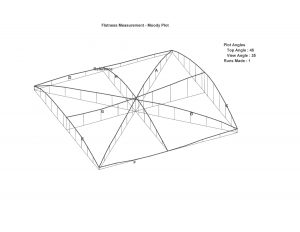
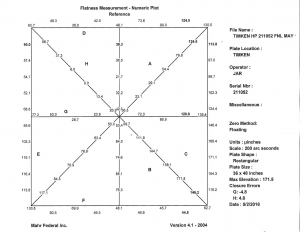
Routine surface plate calibration is necessary to ensure flatness and repeatability over time. The precision measurement group at Cross is ISO 17025 accredited for calibration of surface plate flatness and repeatability. We utilize the Mahr Surface Plate Certification System featuring:
- Moody and Profile Analysis,
- Isometric or Numeric plots,
- Multiple Run Average, and
- Automatic Grading According to Industry Standards.
The Mahr Computer Assisted Model determines any angular or linear deviation from absolute level, and is ideally suited for highly precise profiling of surface plates.
Intervals between calibrations will vary depending on the frequency of use, the environmental conditions where the plate is located, and the specific quality requirements of your company. Properly maintaining your surface plate may allow for longer intervals between each calibration, helps you avoid the added cost of relapping, and most importantly ensures the measurements you obtain on the plate are as accurate as possible. Although surface plates appear robust, they are precision instruments and should be treated as such. Here are some things to consider regarding care of your surface plates:
- Keep the plate clean, and if possible cover it when it is not in use
- Nothing should be placed on the plate other than gages or pieces to be measured.
- Don’t use the same spot on the plate every time.
- If possible, rotate the plate periodically.
- Respect the load limit of your plate
Precision Granite Base Can Improve Machine Tool Performances
Requirements are constantly increasing in mechanical engineering in general and in machine tool construction in particular. Achieving maximum precision and performance values without increasing costs are constant challenges to being competitive. The machine tool bed is a decisive factor here. Therefore, more and more machine tool manufacturers are relying on granite. Due to its physical parameters, it offers clear advantages that cannot be achieved with steel or polymer concrete.
Granite is a so-called volcanic deep rock and has a very dense and homogeneous structure with an extremely low coefficient of expansion, low thermal conductivity and high vibration damping.
Below you will discover why the common opinion that granite is mainly only suitable as machine base for high-end coordinate measuring machines is long outdated and why this natural material as a machine tool base is a very advantageous alternative to steel or cast iron even for high-precision machine tools.
We can manufacture granite components for dynamic motion, granite components for linear motors, granite components for ndt, granite components for xray, granite components for cmm, granite components for cnc, granite precision for laser, granite components for aerospace, granite components for precision stages...
High Added Value Without Additional Costs
The increasing use of granite in mechanical engineering is not so much due to the massive increase in the price of steel. Rather, it is because the added value for the machine tool achieved with a machine bed made of granite is possible at very little or no extra cost. This is proven by cost comparisons of well-known machine tool manufacturers in Germany and Europe.
The considerable gain in thermodynamic stability, vibration damping and long-term precision made possible by granite cannot be achieved with a cast iron or steel bed, or only at relatively high cost. For example, thermal errors can account for up to 75% of the total error of a machine, with compensation often attempted for by software – with moderate success. Due to its low thermal conductivity, granite is the better foundation for long-term precision.
With a tolerance of 1 μm, granite easily meets the flatness requirements according to DIN 876 for the degree of accuracy 00. With a value of 6 on the hardness scale 1 to 10, it is extremely hard, and with its specific weight of 2.8g/cm³ it almost reaches the value of aluminium. This also results in additional advantages such as higher feed rates, higher axis accelerations and an extension of the tool life for cutting machine tools. Thus, the change from a cast bed to a granite machine bed moves the machine tool in question into the high-end class in terms of precision and performance – at no extra cost.
Granite’s Improved Ecological Footprint
In contrast to materials such as steel or cast iron, natural stone does not have to be produced with a great deal of energy and using additives. Only relatively small amounts of energy are required for quarrying and surface treatment. This results in a superior ecological footprint, which even at the end of a machine’s life surpasses that of steel as a material. The granite bed can be the basis for a new machine or be used for completely different purposes such as shredding for road construction.
Nor are there any shortages of resources for granite. It is a deep rock formed from magma within the earth’s crust. It has ‘matured’ for millions of years and is available in very large quantities as a natural resource on almost all continents, including all of Europe.
Conclusion: The numerous demonstrable advantages of granite compared to steel or cast iron justify the increasing willingness of mechanical engineers to use this natural material as a foundation for high-precision, high-performance machine tools. Detailed information about granite properties, which are advantageous for machine tools and mechanical engineering, can be found in this further article.
A repeat measurement is a measurement of local flatness areas. The Repeat Measurement specification states that a measurement taken anywhere on the surface of a plate will repeat within the stated tolerance. Controlling local area flatness tighter than overall flatness guarantees a gradual change in surface flatness profile thereby minimizing local errors.
Most manufacturers, including imported brands, adhere to the Federal Specification of overall flatness tolerances but many overlook the repeat measurements. Many of the low value or budget plates available in the market today will not guarantee repeat measurements. A manufacturer who does not guarantee repeat measurements is NOT producing plates that meet the requirements of ASME B89.3.7-2013 or Federal Specification GGG-P-463c, or DIN 876, GB, JJS...
Both are critical to ensure a precision surface for accurate measurements. Flatness specification alone is not sufficient to guarantee measurement accuracy. Take as an example, a 36 X 48 Inspection Grade A surface plate, which meets ONLY the flatness specification of .000300". If the piece being checked bridges several peaks, and the gage being used is in a low spot, the measurement error could be the full tolerance in one area, 000300"! Actually, it can be much higher if the gage is resting on the slope of an incline.
Errors of .000600"-.000800" are possible, depending upon the severity of the slope, and the arm length of the gage being used. If this plate had a Repeat Measurement specification of .000050"F.I.R. then the measurement error would be less than .000050" regardless of where the measurement is taken on the plate. Another problem, which usually arises when an untrained technician attempts to resurface a plate on-site, is the use of Repeat Measurements alone to certify a plate.
The instruments that are used to verify repeatability are NOT designed to check overall flatness. When set to zero on a perfectly curved surface, they will continue to read zero, whether that surface is perfectly flat or perfectly concave or convex 1/2"! They simply verify the uniformity of the surface, not the flatness. Only a plate that meets both the flatness specification AND the repeat measurement specification truly meets the requirements of ASME B89.3.7-2013 or Federal Specification GGG-P-463c.
Ask us about or flatness specification and repeat measurement promise by calling +86 19969991659 or emailing INFO@ZHHIMG.COM
Yes, but they can only be guaranteed for a specific vertical temperature gradient. The effects of thermal expansion on the plate could easily cause a change in accuracy greater than the tolerance if there is a change in the gradient. In some cases, if the tolerance is tight enough, the heat absorbed from overhead lighting can cause enough of a gradient change over several hours.
Granite has a coefficient of thermal expansion of approximately .0000035 inches per inch per 1°F. As an example: A 36" x 48" x 8" surface plate has an accuracy of .000075" (1/2 of Grade AA) at a gradient of 0°F, the top and bottom are the same temperature. If the top of the plate warms up to the point where it is 1°F warmer than the bottom, the accuracy would change to .000275" convex ! Therefore, ordering a plate with a tolerance tighter than Laboratory Grade AA should only be considered if there is adequate climate control.
A surface plate should be supported at 3 points, ideally located 20% of the length in from the ends of the plate. Two supports should be located 20% of the width in from the long sides, and the remaining support should be centered. Only 3 points can rest solidly on anything but a precision surface.
The plate should be supported at these points during production, and it should be supported only at these three points while in use. Attempting to support the plate at more than three points will cause the plate to receive its support from various combinations of three points, which will not be the same 3 points on which it was supported during production. This will introduce errors as the plate deflects to conform to the new support arrangement. All zhhimg steel stands have support beams designed to line up with the proper support points.
If the plate is properly supported, precise leveling is only necessary if your application calls for it. Leveling is not necessary to maintain the accuracy of a properly supported plate.
Why Choose Granite for Machine Bases and Metrology Components?
The answer is 'yes' for almost every application. The advantages of granite include: No rust or corrosion, almost immune to warping, no compensating hump when nicked, longer wear life, smoother action, greater precision, virtually non-magnetic, low co-efficient of thermal expansion, and low maintenance cost.
Granite is a type of igneous rock quarried for its extreme strength, density, durability, and resistance to corrosion. But granite is also very versatile– it’s not just for squares and rectangles! In fact, Starrett Tru-Stone confidently works with granite components engineered in shapes, angles, and curves of all variations on a regular basis—with excellent outcomes.
Through our state of the art processing, cut surfaces can be exceptionally flat. These qualities make granite the ideal material to create custom-size and custom-design machine bases and metrology components. Granite is:
machineable
precisely flat when cut and finished
rust resistant
durable
long lasting
Granite components are also easy to clean. When creating custom designs, be sure to choose granite for its superior benefits.
STANDARDS / HIGH WEAR APPLICATIONS
The granite utilized by ZhongHui for our standard surface plate products has high quartz content, which provides greater resistance to wear and damage. Our Superior Black and Crystal Pink colors have low water absorption rates, minimizing the possibility of your precision gages rusting while setting on the plates. The colors of granite offered by ZhongHui result in less glare, which means less eyestrain for individuals using the plates. We have chosen our granite types while considering thermal expansion in an effort to keep this aspect minimal.
CUSTOM APPLICATIONS
When your application calls for a plate with custom shapes, threaded inserts, slots or other machining, you’ll want to select a material like Black Diabase. This natural material offers superior stiffness, excellent vibration dampening, and improved machinability.
Yes, if they are not too badly worn. Our factory setting and equipment allow the optimum conditions for proper plate calibration and rework if necessary. Generally, if a plate is within .001" of the required tolerance, it can be resurfaced on-site. If a plate is worn to the point where it is more than .001" out of tolerance, or if it is badly pitted or nicked, then it will need to be sent to the factory for grinding prior to relapping.
Great care should be exercised in selecting an on-site calibration and resurfacing technician. We urge you to use caution in selecting your calibration service. Ask for accreditation and verify the equipment that the technician will use has a National Inspection Institution traceable calibration. It takes many years to learn how to properly lap precision granite.
ZhongHui provides quick turn-around on calibrations performed in our factory. Send your plates in for calibration if possible. Your quality and reputation depend on the accuracy of your measurement instruments including surface plates!
Our black surface plates have a significantly higher density and are up to three times as stiff. Therefore, a plate made of the black does not need to be as thick as a granite plate of the same size to have equal or greater resistance to deflection. Reduced thickness means less weight and lower shipping costs.
Beware of others who use lower quality black granite in the same thickness. As stated above, properties of granite, like wood or metal, vary by material and color, and is not an accurate predictor of stiffness, hardness, or wear resistance. In fact, many types of black granite and diabase are very soft and not suitable for surface plate applications.
No. The specialized equipment and training necessary to rework these items requires that they be returned to the factory for calibration and rework.
Yes. Ceramic and granite have similar characteristics, and the methods used to calibrate and lap granite can be used with ceramic items as well. Ceramics are more difficult to lap than granite resulting in a higher cost.
Yes, provided that the inserts are recessed below the surface. If steel inserts are flush with, or above the surface plane, they must be spot-faced down before the plate can be lapped. If required, we can provide that service.
Yes. Steel inserts with the desired thread (English or metric) can be epoxy bonded into the plate at the desired locations. ZhongHui uses CNC machines to provide the tightest insert locations within +/- 0.005”. For less critical inserts, our locational tolerance for threaded inserts is ±.060". Other options include steel T-Bars and dovetail slots machined directly into the granite.
Inserts that are properly bonded using high strength epoxy and good workmanship will withstand a great deal of torsional and shear force. In a recent test, using 3/8"-16 threaded inserts, an independent testing laboratory measured the force required to pull an epoxy-bonded insert from a surface plate. Ten plates were tested. Out of these ten, in nine cases, the granite fractured first. The average load at the point of failure was 10,020 lbs. for gray granite and 12,310 lbs. for black. In the single case where an insert pulled free of the plate, the load at the point of failure was 12,990 lbs.! If a work piece forms a bridge across the insert and extreme torque is applied, it is possible to generate enough force to fracture the granite. Partially for this reason, ZhongHui gives guidelines for the maximum safe torque that can be applied the epoxy bonded inserts: https://www.zhhimg.com/standard-thread-inserts-product/
Yes, but only at our factory. At our plant, we can restore almost any plate to 'like-new' condition, usually for less than half the cost of replacing it. Damaged edges can be cosmetically patched, deep grooves, nicks, and pits can be ground out, and the attached supports can be replaced. In addition, we can modify your plate to increase its versatility by adding solid or threaded steel inserts and cutting slots or clamping lips, per your specifications.
Why Choose Granite?
Granite is a type of igneous rock formed in the Earth millions of years ago. The composition of igneous rock contained many minerals such as quartz that is extremely hard and wear-resistant. In addition to hardness and wear resistance granite has approximately half the coefficient of expansion as cast iron. As its volumetric weight is approximately one third that of cast iron, granite is easier to manoeuvre.
For machine bases and metrology components, black granite is the colour most used. Black granite has a higher percentage of quartz than other colours and is, therefore, the hardest wearing.
Granite is cost-effective, and cut surfaces can be exceptionally flat. Not only can it be hand lapped to achieve extremes of accuracy, but re-conditioning can be performed without moving the plate or table off-site. It is entirely a hand lapping operation and generally costs much less than re-conditioning a cast iron alternative.
These qualities make granite the ideal material to create custom-size and custom-design machine bases and metrology components such as the granite surface plate.
ZhongHui produces bespoke granite products that are created to support specific measurement requirements. These bespoke items vary from straight edges to tri squares. Due to the versatile nature of granite, the components can be produced to any size required; they are hard wearing and long-lasting.
Advantages of Granite Surface Plates
The importance of measuring on an even surface was established by British inventor Henry Maudsley in the 1800s. As a machine tool innovator, he determined that consistent production of parts required a solid surface for reliable measurements.
The industrial revolution created a demand for measuring surfaces, so engineering company Crown Windley created manufacturing standards. The standards for surface plates were first set by Crown in 1904 using metal. As the demand and cost for metal increased, alternative materials for the measuring surface were investigated.
In America, monument creator Wallace Herman established that black granite was an excellent surface plate material alternative to metal. As granite is non-magnetic and doesn’t rust, it soon became the preferred measuring surface.
A granite surface plate is an essential investment for laboratories and test facilities. A granite surface plate of 600 x 600 mm can be mounted on a support stand. The stands provide a working height of 34” (0.86m) with five adjustable points for levelling.
For reliable and consistent measurement results, a granite surface plate is crucial. As the surface is a smooth and stable plane, it enables instruments to be carefully manipulated.
The main advantages of granite surface plates are:
• Non-reflective
• Resistant to chemicals and corrosion
• Low coefficient of expansion compared with cart iron so less affected by temperature change
• Naturally rigid and hard-wearing
• The plane of the surface is unaffected if scratched
• Will not rust
• Non-magnetic
• Easy to clean and maintain
• Calibration and resurfacing can be done onsite
• Suitable for drilling for threaded support inserts
• High vibration damping
For many shops, inspection rooms and laboratories, precision granite surface plates are relied on as the basis for accurate measurement. Because every linear measurement depends on an accurate reference surface from which final dimensions are taken, surface plates provide the best reference plane for work inspection and layout prior to machining. They also are ideal bases for making height measurements and gaging surfaces. Further, a high degree of flatness, stability, overall quality and workmanship make them a good choice for mounting sophisticated mechanical, electronic and optical gaging systems. For any of these measurement processes, it is imperative to keep surface plates calibrated.
Repeat Measurements and Flatness
Both flatness and repeat measurements are critical to ensure a precision surface. Flatness can be considered as all points on the surface being contained within two parallel planes, the base plane and the roof plane. The measurement of distance between the planes is the overall flatness of the surface. This flatness measurement commonly carries a tolerance and may include a grade designation.
The flatness tolerances for three standard grades are defined in the federal specification as determined by the following formula:
Laboratory Grade AA = (40 + diagonal² / 25) x 0.000001 inch (unilateral)
Inspection Grade A = Laboratory Grade AA x 2
Tool Room Grade B = Laboratory Grade AA x 4
In addition to flatness, repeatability must be ensured. A repeat measurement is a measurement of local flatness areas. It is a measurement taken anywhere on the surface of a plate that will repeat within the stated tolerance. Controlling local area flatness to a tighter tolerance than overall flatness guarantees a gradual change in surface flatness profile, thereby minimizing local errors.
To ensure a surface plate meets both the flatness and repeat measurement specifications, manufacturers of granite surface plates should use Federal Specification GGG-P-463c as a basis for their specifications. This standard addresses repeat measurement accuracy, material properties of surface plate granites, surface finish, support point location, stiffness, acceptable methods of inspection and installation of threaded inserts.
Before a surface plate has worn beyond specification for overall flatness, it will show worn or wavy posts. Monthly inspection for repeat measurement errors using a repeat reading gage will identify wear spots. A repeat reading gage is a high-precision instrument that detects local error and can be displayed on a high magnification electronic amplifier.
Checking Plate Accuracy
By following a few simple guidelines, an investment in a granite surface plate should last for many years. Depending on plate usage, shop environment and required accuracy, frequency of checking the surface plate accuracy varies. A general rule of thumb is for a new plate to receive a full recalibration within one year of purchase. If the plate is used frequently, it is advisable to shorten this interval to six months.
Before a surface plate has worn beyond specification for overall flatness, it will show worn or wavy posts. Monthly inspection for repeat measurement errors using a repeat reading gage will identify wear spots. A repeat reading gage is a high-precision instrument that detects local error and can be displayed on a high magnification electronic amplifier.
An effective inspection program should include regular checks with an autocollimator, providing actual calibration of overall flatness traceable to National Institute of Standards and Technology (NIST). Comprehensive calibration by the manufacturer or an independent company is necessary from time to time.
Variations Between Calibrations
In some cases, there are variations between surface plate calibrations. Sometimes factors such as surface change resulting from wear, incorrect use of inspection equipment or use of noncalibrated equipment can account for these variations. The two most common factors, however, are temperature and support.
One of the most important variables is temperature. For instance, the surface might have been washed with a hot or cold solution prior to calibration and not allowed sufficient time to normalize. Other causes of temperature change include drafts of cold or hot air, direct sunlight, overhead lighting or other sources of radiant heat on the surface of the plate.
There also can be variations in the vertical temperature gradient between winter and summer. In some cases, the plate is not allowed sufficient time to normalize after shipment. It is a good idea to record the vertical gradient temperature at the time the calibration is performed.
Another common cause for calibration variation is a plate that is improperly supported. A surface plate should be supported at three points, ideally located 20% of the length in from the ends of the plate. Two supports should be located 20% of the width in from the long sides, and the remaining support should be centered.
Only three points can rest solidly on anything but a precision surface. Attempting to support the plate at more than three points will cause the plate to receive its support from various combinations of three points, which will not be the same three points on which it was supported during production. This will introduce errors as the plate deflects to conform to the new support arrangement. Consider using steel stands with support beams designed to line up with the proper support points. Stands for this purpose are generally available from the surface plate manufacturer.
If the plate is properly supported, precise leveling is only necessary if an application specifies it. Leveling is not necessary to maintain the accuracy of a properly supported plate.
It is important to keep the plate clean. Airborne abrasive dust is usually the greatest source of wear and tear on a plate, as it tends to embed in workpieces and the contact surfaces of gages. Cover plates to protect them from dust and damage. Wear life can be extended by covering the plate when not in use.
Extend Plate Life
Following a few guidelines will reduce wear on a granite surface plate and ultimately, extend its life.
First, it is important to keep the plate clean. Airborne abrasive dust is usually the greatest source of wear and tear on a plate, as it tends to embed in workpieces and the contact surfaces of gages.
It also is important to cover plates to protect it from dust and damage. Wear life can be extended by covering the plate when not in use.
Rotate the plate periodically so that a single area does not receive excessive use. Also, it is recommended to replace steel contact pads on gaging with carbide pads.
Avoid setting food or soft drinks on the plate. Many soft drinks contain either carbonic or phosphoric acid, which can dissolve the softer minerals and leave small pits in the surface.
Where to Relap
When a granite surface plate needs re-surfacing, consider whether to have this service performed on-site or at the calibration facility. It is always preferable to have the plate relapped at the factory or a dedicated facility. If, however, the plate is not too badly worn, generally within 0.001 inch of the required tolerance, it can be resurfaced on-site. If a plate is worn to the point where it is more than 0.001 inch out of tolerance, or if it is badly pitted or nicked, then it should be sent to the factory for grinding prior to relapping.
A calibration facility has the equipment and factory setting providing the optimum conditions for proper plate calibration and rework if necessary.
Great care should be exercised in selecting an on-site calibration and resurfacing technician. Ask for accreditation and verify the equipment that the technician will use has a NIST-traceable calibration. Experience also is an important factor, as it takes many years to learn how to correctly lap precision granite.
Critical measurements start with a precision granite surface plate as a baseline. By ensuring a reliable reference by using a properly calibrated surface plate, manufacturers have one of the essential tools for reliable measurements and better quality parts.
Checklist for Calibration Variations
- The surface was washed with a hot or cold solution prior to calibration and was not allowed sufficient time to normalize.
- The plate is improperly supported.
- Temperature change.
- Drafts.
- Direct sunlight or other radiant heat on the surface of the plate. Be sure that overhead lighting is not heating the surface.
- Variations in the vertical temperature gradient between winter and summer. If at all possible, know the vertical gradient temperature at the time the calibration is performed.
- Plate not allowed sufficient time to normalize after shipment.
- Improper use of inspection equipment or use of noncalibrated equipment.
- Surface change resulting from wear.
Tech Tips
Because every linear measurement depends on an accurate reference surface from which final dimensions are taken, surface plates provide the best reference plane for work inspection and layout prior to machining.
Controlling local area flatness to a tighter tolerance than overall flatness guarantees a gradual change in surface flatness profile, thereby minimizing local errors.